



Table of Contents
Comparing Active Carbon vs. Charcoal Filters
In the ever-evolving world of cigarette manufacturing, filtration plays a crucial role in enhancing the smoking experience and reducing harmful substances like tar and nicotine. Filters have become a standard component in modern cigarettes, with manufacturers continuously seeking innovative solutions to improve the quality of smoke. Among the various types of filters, active carbon filters and traditional charcoal filters are two popular choices. But which one is best for cigarette filtration? In this article, we will compare active carbon filters and traditional charcoal filters, exploring their benefits, drawbacks, and suitability for different smoking preferences. We will also highlight the Truewell approach to delivering high-performance filters.
Understanding Active Carbon Filters and Their Role in Cigarette Filtration
Active carbon filters are widely recognized for their ability to remove harmful chemicals from cigarette smoke. Unlike traditional charcoal, active carbon is highly porous, which increases its surface area, allowing it to absorb a greater quantity of unwanted substances. The high adsorption capacity of active carbon makes it highly effective in reducing harmful components like tar, nicotine, and other volatile compounds.
The filtration process in active carbon filters works by trapping and adsorbing these harmful particles as smoke passes through the filter. This leads to a smoother smoking experience, with a significant reduction in the intake of toxic substances. Additionally, active carbon filters are known for improving the flavor of cigarettes by neutralizing the harshness associated with smoke, providing a cleaner, more pleasant taste.
Manufacturers like Truewell have recognized the potential of active carbon filters in cigarette production. By incorporating advanced active carbon technology, Truewell ensures that their filters deliver optimal performance in terms of both filtration and flavor enhancement, making them a popular choice among cigarette brands.
The Mechanism of Traditional Charcoal Filters in Cigarette Filtration
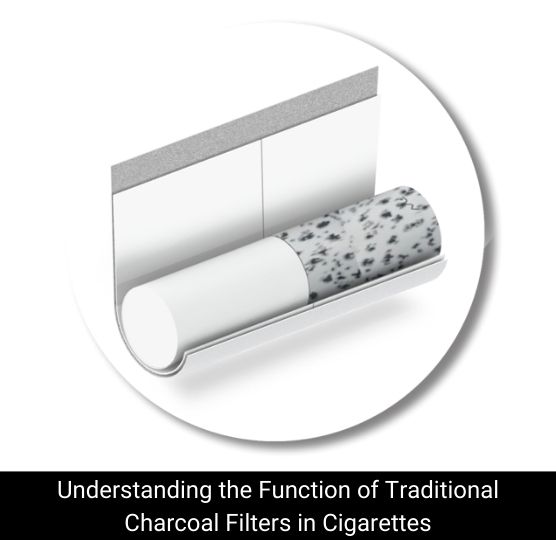
Charcoal filters have been used for decades as a means of reducing harmful substances in cigarette smoke. Traditional charcoal filters work through a similar principle as active carbon filters, in that they adsorb harmful particles and reduce the overall impact of cigarette smoke on the smoker’s health. However, the key difference lies in the material itself.
Charcoal filters are made from activated charcoal, which is produced by heating carbon-rich materials such as wood or coconut shells in the presence of a gas that creates highly porous surfaces. While traditional charcoal is effective at trapping some toxins, it tends to have a lower adsorption capacity compared to active carbon filters. This means that charcoal filters may not provide the same level of filtration as active carbon filters, especially when it comes to reducing tar and nicotine levels.
While charcoal filters do offer some benefits, they are generally less efficient than active carbon filters in terms of the amount of harmful substances they can absorb. This is why active carbon filters have become the preferred choice for manufacturers looking to offer a higher level of filtration and a smoother smoking experience.
Our Other Product
Outer shaped Filter RodsKey Differences: Active Carbon Filters vs. Charcoal Filters
Filtration Efficiency
The most significant difference between active carbon filters and charcoal filters is their filtration efficiency. Active carbon filters excel in removing a broader range of harmful substances, including tar, nicotine, and volatile organic compounds (VOCs), while charcoal filters primarily focus on absorbing large particles.
Active carbon’s high surface area makes it a more efficient filter, ensuring that smokers are exposed to fewer toxins. This feature is particularly important for consumers who are looking for a smoother, cleaner smoking experience. Truewell’s active carbon filters are designed to maximize this efficiency, ensuring that they meet the highest standards for tobacco filtration.
Flavor Enhancement
Another important factor to consider is flavor enhancement. Smokers prefer a clean and smooth taste, and filters play a major role in achieving this. Active carbon filters are often favored for their ability to neutralize harsh flavors, providing a cleaner and smoother taste. The adsorption of harmful substances, particularly the bitterness associated with nicotine, enhances the overall flavor profile of the cigarette.
In contrast, while charcoal filters do provide some flavor improvement, they may not offer the same level of refinement as active carbon filters. Smokers may notice a slight difference in taste, but active carbon filters typically deliver a more refined smoking experience.
Health Benefits
The health benefits of active carbon filters are notable, as they offer more thorough filtration of harmful chemicals. By reducing the amount of tar and nicotine in the smoke, active carbon filters help reduce the risks associated with smoking, such as lung disease and cancer. Active carbon filters also help trap other harmful gases that are released during combustion, further improving the health safety of the smoker.
Charcoal filters also offer health benefits but are not as effective in providing a significant reduction in tar and nicotine levels. While they can still help reduce harmful chemicals, they are generally considered less efficient than active carbon filters in achieving the same level of safety.
Cost and Production
In terms of cost and production, charcoal filters are generally more affordable to produce. This makes them an attractive option for manufacturers who are looking to keep costs low. However, when it comes to providing a higher-quality smoking experience and more advanced filtration, active carbon filters are often worth the investment. The additional cost of active carbon filters is justified by the superior performance they provide, including enhanced flavor and improved filtration.
Truewell offers cost-effective active carbon filters that combine high-quality materials with advanced filtration technology, making them a smart choice for both manufacturers and consumers.
 Call
CallThe Role of Truewell in Enhancing Cigarette Filtration
As the cigarette industry continues to prioritize innovation and quality, Truewell remains at the forefront of providing cutting-edge filtration solutions. Truewell has recognized the growing demand for active carbon filters and their role in delivering a superior smoking experience. With a focus on quality and performance, Truewell’s active carbon filters ensure that each cigarette offers a cleaner, smoother, and more flavorful experience.
Truewell takes pride in its ability to deliver customized filter solutions that cater to the unique needs of its clients. Whether you are a cigarette manufacturer seeking high-performance active carbon filters or a company looking to offer smokers a premium product, Truewell has the expertise to provide the best filtration solutions on the market.
Our Other Product
Mono Cellulose Acetate Cigarette Filter RodFAQs on Active Carbon Filters vs. Traditional Charcoal Filters
What is the difference between active carbon filters and charcoal filters?
Active carbon filters have a higher adsorption capacity than charcoal filters, allowing them to remove more harmful substances from cigarette smoke. This makes active carbon filters more effective in reducing tar, nicotine, and other toxins, providing a smoother smoking experience.
Which filter provides better flavor enhancement: active carbon or charcoal?
Active carbon filters are better at improving the flavor of cigarettes by neutralizing harsh flavors and reducing bitterness. This results in a cleaner, smoother taste compared to charcoal filters.
Are active carbon filters more effective at reducing harmful chemicals?
Yes, active carbon filters are more effective at reducing harmful chemicals like tar and nicotine, making them a healthier option compared to charcoal filters, which have a lower adsorption capacity.
What are the advantages of using Truewell’s active carbon filters?
Truewell’s active carbon filters offer high filtration efficiency, flavor enhancement, and superior health benefits. They are designed to meet the highest industry standards, providing a cleaner, smoother smoking experience for consumers.
Are charcoal filters still a viable option for cigarette manufacturers?
While charcoal filters are still used in some products, active carbon filters are becoming the preferred choice due to their higher filtration efficiency, flavor enhancement, and health benefits. Manufacturers looking to offer a premium product should consider switching to active carbon filters for better performance.