Table of Contents
Cigarette Filter Rod Specifications and Quality Parameters for Buyers:
When a cigarette manufacturer requests a quotation for filter rods, the first question from any experienced supplier is usually about specifications. A filter rod is a precision manufactured component, and four core measurements, pressure drop, circumference, hardness, and length, decide whether it will run correctly on a cigarette making machine and whether the finished cigarette will draw the way the brand intends. Buyers who understand these parameters can compare quotations accurately, write clearer purchase specifications, and avoid costly mismatches between a sample and a production shipment.
This article explains what each of the main cigarette filter rod specifications means, how it is measured, why it matters on the production line, and how the parameters interact with one another. It is written for procurement managers, quality teams, and technical staff who source filter rods from international suppliers such as Truewell Filter and want a practical reference rather than a marketing summary.
Why Filter Rod Specifications Matter
A filter rod is made in very large quantities and then cut into individual filters on the cigarette making machine. Because a single rod becomes many filters, any variation in the rod is multiplied across thousands of finished cigarettes. A specification sheet is therefore the agreement between supplier and buyer about what acceptable variation looks like, and it protects both sides when a shipment is inspected on arrival.
Clear specifications also make supplier comparison fair. Two quotations for filter rods with the same diameter name can describe quite different products if one supplier targets a looser pressure drop range or a softer hardness. Writing every parameter into the purchase specification removes that ambiguity before an order is placed rather than after a problem appears on the line.
Pressure Drop in Filter Rods
Pressure drop, often shortened to PD, measures the resistance a filter rod offers to airflow. It is the single most important performance specification because it directly shapes how easy or hard the finished cigarette feels to draw. Pressure drop is measured by drawing air through the rod at a controlled flow rate and recording the pressure difference between the two ends, and it is usually reported in millimeters of water gauge or in pascals.
A lower pressure drop gives an easier draw, while a higher value gives a firmer one. The figure depends on the tow weight, the denier of the fiber, the amount of plasticizer, and how tightly the tow is packed inside the plug wrap. Because the same rod is later cut into several filters, buyers normally specify the pressure drop for a defined length, so the number should always be read together with the rod length it refers to.
Circumference and Diameter Tolerance
Circumference is the distance around the finished rod, and it is the measurement that corresponds to the diameter classes known as King Size, Slim, Super Slim, and Nano Slim. Filter rod circumference is normally specified in millimeters with a tolerance band, and the tolerance is as important as the nominal value. A rod that sits at the edge of its allowed range may still pass inspection yet behave differently on a machine tuned for the center of the range.
Consistent circumference matters because the cigarette making machine feeds, cuts, and joins filters using guides sized for a specific diameter. Rods that are slightly oversized can jam or scuff, while undersized rods can leave gaps at the tipping stage. Our diameter guide explains how each size class is named across markets, and the same naming should always be backed by a stated millimeter circumference on the order.
Our Other Filters
Hardness and Compression Resistance
Hardness describes how firm the filter rod feels and how well it resists being squeezed. It is typically tested by applying a defined load across the rod and measuring how much the diameter changes, then expressing the result as a percentage of the original diameter. A higher hardness value means the rod holds its shape better under pressure.
Hardness affects both machine performance and the consumer experience. A rod that is too soft can deform during cutting or tipping, while one that is too hard can feel unpleasant in the mouth and may indicate over packed tow. Hardness also interacts with pressure drop, since packing tow more densely raises both values together, so suppliers balance the two rather than adjusting either one in isolation.
Filter Rod Length and Multiple Length Rods
Length is the simplest specification to state but one of the easiest to misread. Filter rods are normally produced as multiples of the finished filter length so that one rod can be cut into several filters on the machine. The stated rod length must therefore match the cutting arrangement of the buyer’s equipment, and a mismatch means the rod cannot be used without modification.
Length tolerance is also specified, because rods that vary in length produce filters of uneven size once cut. Buyers should confirm the exact rod length in millimeters, the number of filters the rod is intended to yield, and the permitted tolerance, rather than relying on a general description such as single length or double length alone.
Weight, Tow Specification, and Plug Wrap
Beyond the four headline parameters, a complete specification also records the rod weight, the cellulose acetate tow grade, the plasticizer level, and the plug wrap type. Weight is a quick indicator of packing density and is often checked alongside pressure drop as a consistency control. The tow grade, described by the denier per filament and the total denier, determines how much filtration surface the rod provides.
Truewell Filter manufactures every filter rod from EU sourced cellulose acetate tow from established suppliers such as Cerdia and Celanese,. Naming the tow source on the specification gives the buyer a documented material baseline, which becomes more valuable as import authorities ask for clearer material records.
How Specifications Work Together on Different Rod Types
The same four parameters apply to every rod type, but their typical targets change with the construction. A mono acetate filter rod has a single uniform segment, so pressure drop is relatively simple to control. A dual hollow acetate filter rod has a hollow segment that lowers resistance, so the target pressure drop depends on the ratio between the solid and hollow sections.
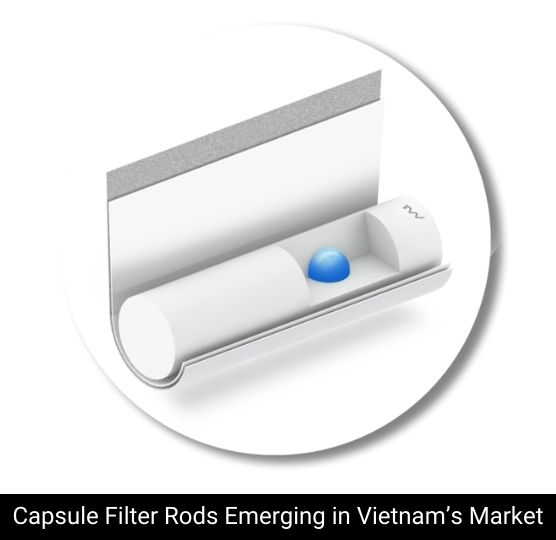
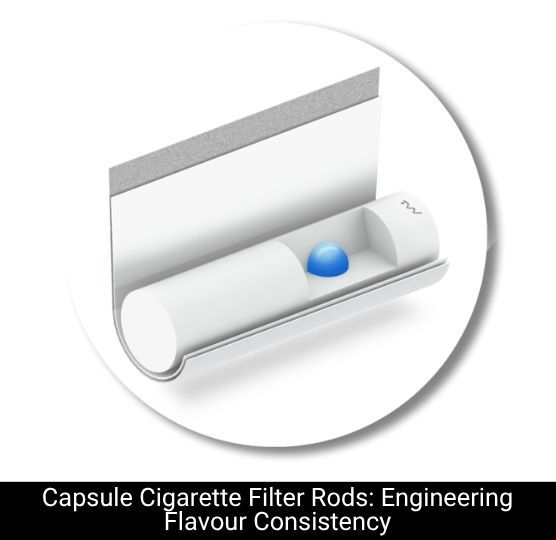
Capsule and charcoal rods add further checks. A mono type capsule filter rod needs a stated capsule position and rupture strength, and a dual charcoal filter rod needs a stated carbon segment length and loading. In each case the core specifications remain the foundation, and the extra parameters are added on top of them rather than replacing them.
Writing a Clear Filter Rod Purchase Specification
A useful purchase specification lists the rod type, the diameter class and millimeter circumference, the rod length and tolerance, the target pressure drop for a stated length, the hardness range, the weight range, the tow source, and the plug wrap. It should also state how and when samples will be measured, since test conditions such as temperature and humidity can change the readings.
Sending a physical sample from an existing supply alongside the written specification is the most reliable way to align expectations. The supplier can match the sample, report its measured values, and quote against numbers rather than descriptions, which shortens the quotation process and reduces the chance of a first shipment that does not run correctly.
Frequently Asked Questions
What is pressure drop in a cigarette filter rod?
Pressure drop is the resistance a filter rod offers to airflow, measured by drawing air through the rod at a controlled flow rate and recording the pressure difference between its ends. It is reported in millimeters of water gauge or pascals and determines how easy the finished cigarette is to draw.
Why does filter rod hardness matter?
Hardness shows how well a filter rod resists compression. A rod that is too soft can deform during cutting and tipping, while one that is too hard can feel unpleasant and may signal over packed tow. It is balanced against pressure drop because both rise as tow is packed more tightly.
Which filter rod specifications should be written into a purchase order?
A complete purchase specification should include the rod type, circumference with tolerance, rod length with tolerance, pressure drop for a stated length, hardness range, weight range, tow source, and plug wrap type, along with the test conditions used to measure them.
Do the same specifications apply to capsule and dual filter rods?
Yes. Pressure drop, circumference, hardness, and length apply to every filter rod type. Capsule rods add capsule position and rupture strength, dual hollow rods add the segment length ratio, and dual charcoal rods add carbon segment length, all measured on top of the core specifications.
Specifications as the Foundation of Reliable Supply
Pressure drop, circumference, hardness, and length are the shared language between a filter rod supplier and a cigarette manufacturer. When each parameter is written down with a value and a tolerance, quotations become comparable, samples become verifiable, and production runs become predictable. Buyers who invest a little time in a precise specification usually save far more in avoided line stoppages and rejected shipments.
Truewell Filter manufactures mono acetate, dual, recessed, capsule, and shaped filter rods in Seoul, South Korea, with firmness, density, ventilation, capsule placement, and rod length available as customizable parameters.